

Blog

Why Transitions Can Be Hard Even When You Wanted the Change
You got the job you applied for. Your child is settling into school. You moved to a place you were excited to call home. Maybe a relationship ended because you knew it was time, or you finally made a choice you had been putting off for months. So why do you feel unsettled?

How to Support Someone Who May Be Struggling With Suicidal Thoughts
This article discusses suicide and emotional distress. If you or someone you know is thinking about suicide, call or text 9-8-8 anywhere in Canada. Support is available 24 hours a day, seven days a week. If someone’s safety is at immediate risk, call 9-1-1 or go to the nearest emergency department.

What Does “Doing the Work” in Therapy Actually Mean?
“Doing the work” is a phrase that comes up often when people talk about therapy, healing and personal growth. But what does it actually mean?
It can sound as though therapy comes with a checklist, or that if you are still struggling, you simply haven’t worked hard enough. In reality, meaningful change is rarely that straightforward.

Back-to-School Anxiety Isn’t Just for Kids
As August moves along, conversations often begin to shift toward the start of a new school year. Store aisles fill with school supplies, calendars become busier, and families start preparing for earlier mornings and more structured routines. For some people, this...

Summer Counselling: Why Consistency Matters Even When Life Feels Good
The days are longer, the weather is warmer, and calendars quickly fill with vacations, camping trips, weddings, family gatherings, backyard barbecues, and weekends at the lake. For many people, summer feels like a chance to slow down and enjoy life a little more. It...

Why Boundaries Feel Hard
If boundaries are so important, why do so many people struggle to set them? The answer is simple: boundaries are not just communication skills. They are deeply connected to our experiences, relationships, beliefs, fears, and emotional histories.
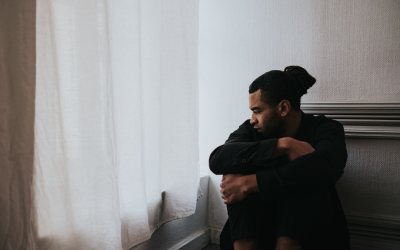
Why So Many Men Struggle in Silence
Every day, men are told, in subtle and not-so-subtle ways, that they should be able to handle things on their own. Be strong. Push through. Don't complain. Figure it out. While these messages may not be spoken directly, they are often reinforced through family...

Community and Mental Health: Why We Need Each Other
June is Pride Month, a time to celebrate diversity, authenticity, and the many communities that help people feel seen, supported, and valued. While Pride has a rich history rooted in advocacy and resilience, it also highlights something that benefits everyone, regardless of identity: the importance of connection.

The Hidden Stress of Being the Reliable Person
There is often a person in every family, friend group, workplace, or relationship who can always be counted on. They are the one who remembers birthdays, checks in on others, helps solve problems, and shows up when someone is struggling. They are dependable, capable, and trustworthy. They are often described as the “strong one.”

Why “Hitting Rock Bottom” Is a Myth – and What Actually Motivates People to Seek Help
Many people who eventually seek help for addiction or mental health struggles did not wait until everything fell apart. The idea of hitting rock bottom, the belief that someone must lose their job, their relationships, or their health before they are “ready” for recovery, is one of the most persistent and harmful myths in addiction culture.

Mental Health Awareness Month: Why Conversations About Mental Health Still Matter in 2026
Every May, Mental Health Awareness Month creates an opportunity to slow down and reflect on something that affects all of us: mental health.
Over the years, conversations around mental health have become more common. More people openly discuss anxiety, burnout, stress, trauma, and therapy than they did even a decade ago. But despite that progress, many individuals still struggle silently behind the scenes.

Spring Cleaning Your Mind: Letting Go of What’s Quietly Weighing You Down
Spring has a way of creating pressure. The light comes back, the days stretch out, and there’s an unspoken expectation that you should feel different; more energized, more motivated, more ready to take things on. It’s subtle, but it’s there. And if you’re not feeling that shift, it can start to feel like you’re already behind.